
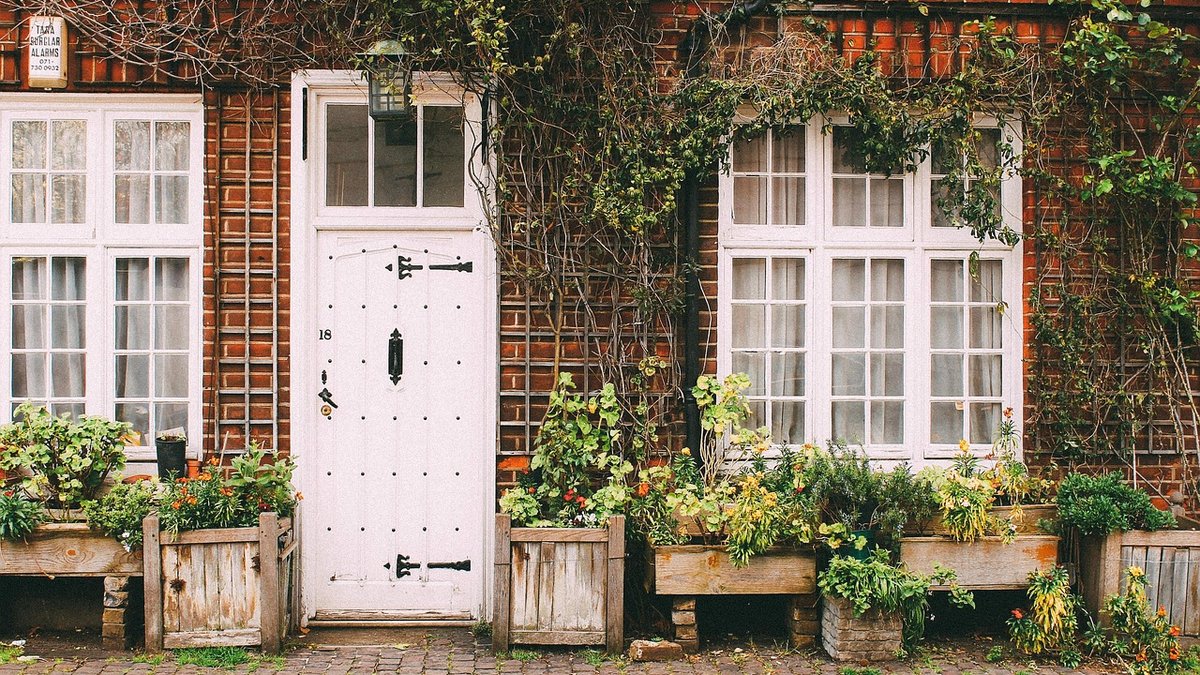
Most local history projects begin on a kitchen table, with a shoebox of family photographs, a bundle of postcards bought at a car boot sale, or a single framed view of a street that no longer looks anything like itself. Before you go near an archive, look at the backs of those images. Photographers' backstamps, printed captions, handwritten notes, postmarks and even the design of the stamp can give you a date, a place or a name within minutes. A card posted in 1906 carries its own date in the postmark, and the postmark usually names the sorting office that handled it.
Write down everything you can read, including the dull details. House numbers, the name above a shop, the pub on the corner, a marquee or a piece of scaffolding are all anchors that let you match a photograph against a map, a directory or a later view of the same spot.
Once you have a rough location, the picture itself becomes evidence. Dating a photograph is rarely about one decisive detail; it is about stacking clues until only a few years remain.
Together, these details will usually place a photograph within a decade, and often within a few years. Note anything you cannot explain rather than ignoring it; the odd detail often turns out to be the key.
Edwardian Britain posted millions of postcards, and many show ordinary streets rather than grand civic buildings. Real photographic postcards were printed in small batches by local stationers and jobbing photographers, sometimes only a few dozen copies, and they survive in surprising numbers. Look for cards numbered in a series, which suggests a photographer working systematically through a town, and for the publisher's name, which tells you where the shop stood.
The most useful trick is comparison. Find several cards of the same view from different years and line them up: a chimney demolished, a tree grown, a wall built, a sign repainted. Each change is a dateable event, and together they give you a timeline for the whole street.
Census returns are the backbone of house history. The surviving returns from 1841 to 1921 can be searched by address as well as by name, and they give ages, occupations, relationships and birthplaces for everyone under one roof on a single night. Finding your house in two successive censuses, with different families listed, tells you when it changed hands. Finding a shopkeeper where a private resident lived before can show when a front room was converted.
Trade directories fill the gaps between censuses. They list residents, trades and businesses street by street, often with a short description of the town. Comparing a directory entry with a census entry and a photograph can resolve a puzzle that neither source manages alone, particularly where streets were renumbered or renamed.
The next step is the county record office or the local studies library, ideally with an appointment and a list of questions. Collections worth asking about include:
Record the reference number, the date you consulted the item and the exact wording of anything you quote. Scan or photograph documents where the archive permits it, and check the copyright position before publishing.
Local knowledge is the most underrated source of all. Neighbours who moved in during the 1960s may remember a shop that closed, a chimney that came down, or a family whose name is still on a gate. Record those conversations while you can, with permission, and note who told you what and when.
Be honest about uncertainty. Write "probably between 1905 and 1912" rather than guessing a single year, and keep what a document states separate from what you have inferred. A careful caption with sources listed is worth far more than a confident one that turns out to be wrong. Then share what you have: with a local history society, a community archive, or simply the next person who knocks on your door asking about the house.

Hi, my name is Anthony kuber. I am artist and fashion designer.
I love to travel and writing blogging.
Your email address will not be published. Required fields are marked *
Software Developer & Writer
Hey, I'm Diva, a developer and writer blending code and creativity. I'm driven by a deep curiosity and a relentless pursuit of excellence. Join me as I craft digital solutions and captivating stories.


